Every season, a portion of the harvest coming out of New Zealand grown crops doesn’t make it onto a supermarket shelf. Not because the fruit or vegetables aren’t good, but because a size, shape or blemish falls outside cosmetic grading. What happens to that produce next says a lot about how efficient a supply chain really is.
For manufacturers, reducing environmental impact is the result of a hundred practical decisions made across the supply chain. Each decision presents an opportunity to make the system more sustainable: to use resources more efficiently, to reduce unnecessary waste, to get more value from the crops growers have worked hard to produce.
Ultimately, a successful environmental strategy benefits not only the environment. It strengthens supply chains, improves product quality and helps meet the growing expectations of customers who want greater transparency around how food is produced.
Making more of every harvest
Reducing waste starts before produce ever reaches a processing facility.
Not every apple or potato needs to look perfect to be worth using. Produce that falls outside fresh retail specifications is often perfectly suitable for processing into frozen ingredients, purées and other value-added products. Globally, the Food and Agriculture Organization (FAO) – a specialised agency of the United Nations that leads international efforts to defeat hunger and improve global nutrition – estimates around 13% of food produced globally is lost between harvest and retail. Much of this produce was never unfit to eat, just unfit for a supermarket shelf.
For processors, creating a market for that does two things at once: it captures value that would otherwise be lost, and it gives growers more flexibility during seasons where weather, market conditions or grading requirements affect fresh sales.
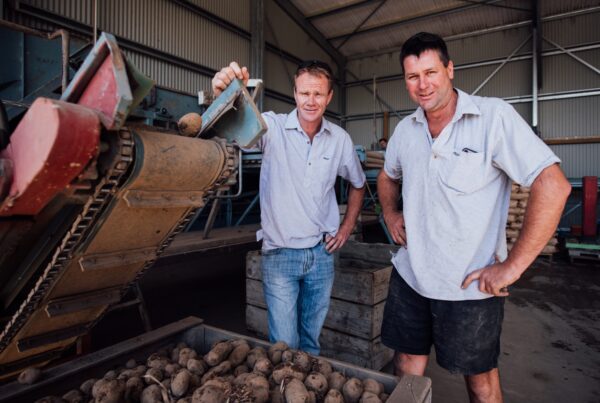
At Reid Produce Co., we process fruit and vegetables that may otherwise go to waste due to cosmetic grading standards. By working closely with growers, we identify opportunities to process produce that falls outside fresh retail specifications into high-quality frozen and prepared ingredients. This not only helps minimise food waste but also provides consumers with nutritious, affordable products while improving returns from each harvest.
Smarter transport, smaller footprint
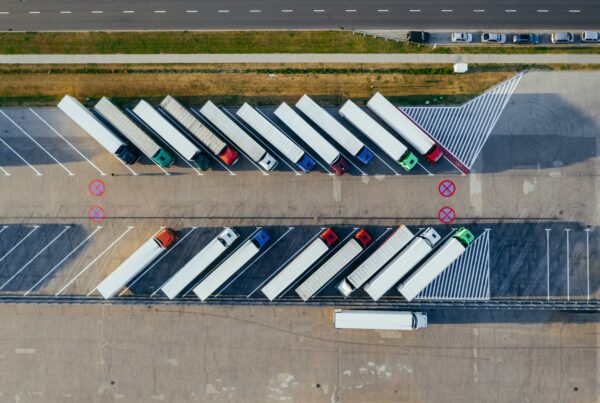
New Zealand exporters don’t get to choose their geography. With customers spread across New Zealand and international markets, moving products efficiently is an essential part of doing business. Every decision – from when produce is processed to how shipments are packed and scheduled – has an impact on product quality, freight costs and the environmental footprint of the supply chain.
At Reid Produce Co., we process fruit and vegetables close to where they’re grown, reducing unnecessary transport and handling before they enter the cold chain. That not only helps preserve product quality but also supports more efficient logistics from the outset.
We work closely with our freight and logistics partners to maximise container utilisation, minimise unnecessary movements and ensure products are shipped on reliable schedules. For our export customers, consistency is just as important as quality. Delivering products in excellent condition, on time and with dependable supply is fundamental to building long-term partnerships, wherever in the world the customers are.
Processing with purpose
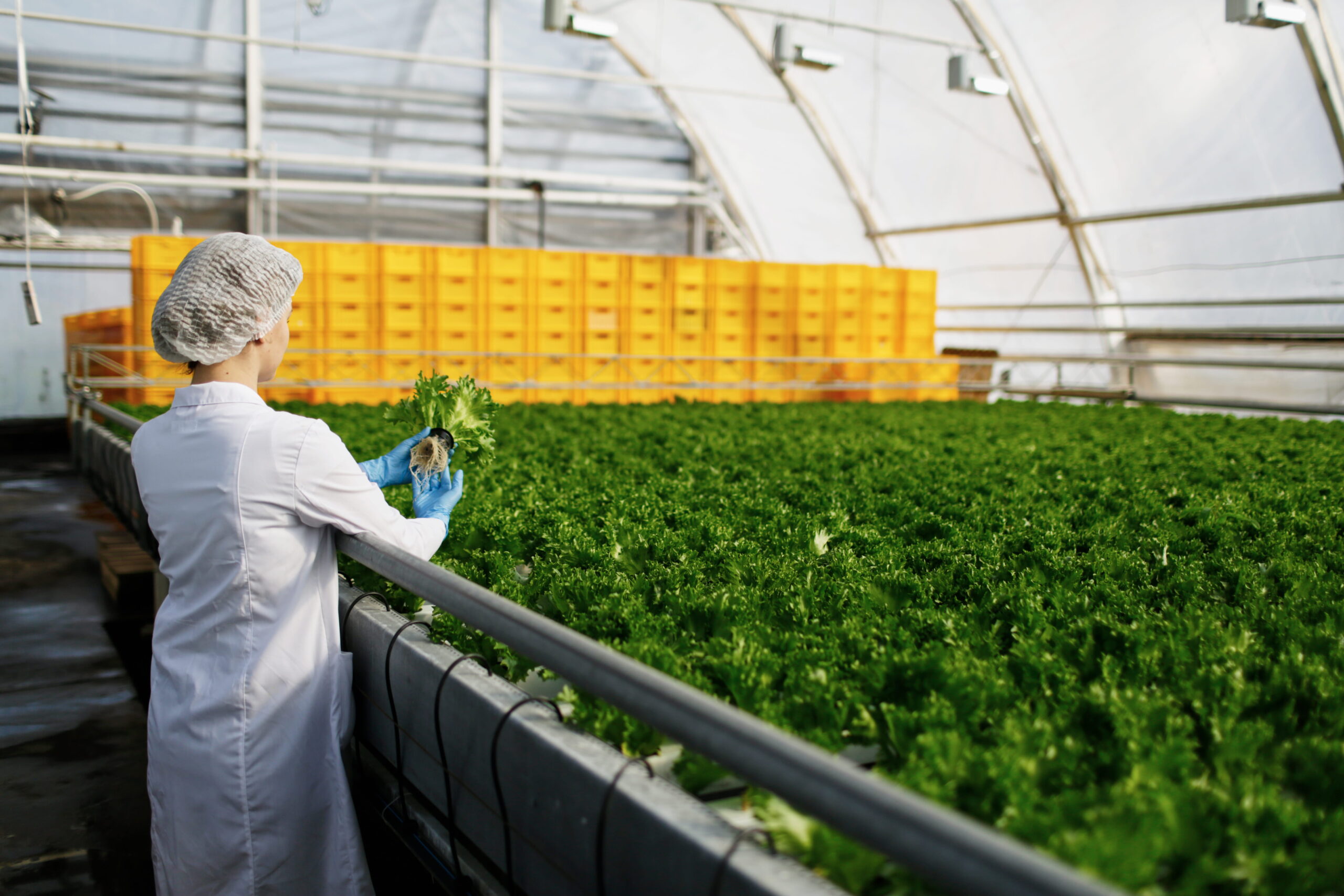
Environmental impact is also shaped by what happens inside processing facilities.
The Energy Efficiency and Conservation Authority (EECA) identifies food manufacturing as one of New Zealand’s most energy-intensive industries, with refrigeration, freezing and process heating offering some of the biggest opportunities for improvement. (See also our earlier post on tackling energy costs in food manufacturing.)
Across the sector, processors are investing in equipment upgrades, better refrigeration and smarter operational scheduling to bring energy use down without compromising product quality.
Beyond environmental impacts, these kinds of improvements often deliver operational payoffs too. Lower energy consumption, less product loss and more efficient production scheduling can all contribute to stronger long-term business performance.
At Reid Produce Co., we’re always looking for practical ways to reduce our environmental impact and improve how we operate. We’re looking to install solar panels, which could reduce our electricity consumption by more than 20%. We’re also exploring more energy-efficient refrigeration systems and refrigerants that offer greater reliability while using less energy.
These are practical improvements that we expect will reduce our environmental footprint, lower operating costs and help us continue delivering high-quality products to our customers.
Backing the growers who back us
One of the less visible parts of food processing is what it does for growers.
By creating a market for produce that doesn’t meet fresh retail specifications, processors help growers get value from more of what they grow. This not only reduces waste but also strengthens the resilience of growers’ businesses that would otherwise be exposed to every swing in the fresh market.
Whether we’re processing for domestic customers or export markets, the priority is the same: hold quality, and make the best possible use of what growers have worked hard to produce. Strong relationships with growers, careful product handling and flexible processing options all help ensure more of each harvest finds a purpose.
Strong grower relationships and careful handling also support traceability, giving customers confidence in where their ingredients come from and how they were handled along the way.
展望未来
Customers are asking more questions about environmental impact, sourcing, traceability and how their ingredients were produced – and that’s not going away.
There is no single solution to reducing environmental impact. It comes from hundreds of operational decisions – how produce is sourced, how quickly it reaches the factory, how efficiently it is processed, how full each export container is, and how much value can be recovered from every harvest. Incremental improvements across the supply chain often deliver the greatest long-term gains.
That’s the approach that’s guided Reid Produce Co. so far, and it’s the one we’ll keep building on as expectations keep rising.
Want to find out how we can meet your fresh, frozen and prepared fruit and vegetable requirements? Contact us to learn more about how we can help.